Workers Compensation Insurance Quote

Workers Compensation Insurance Quote
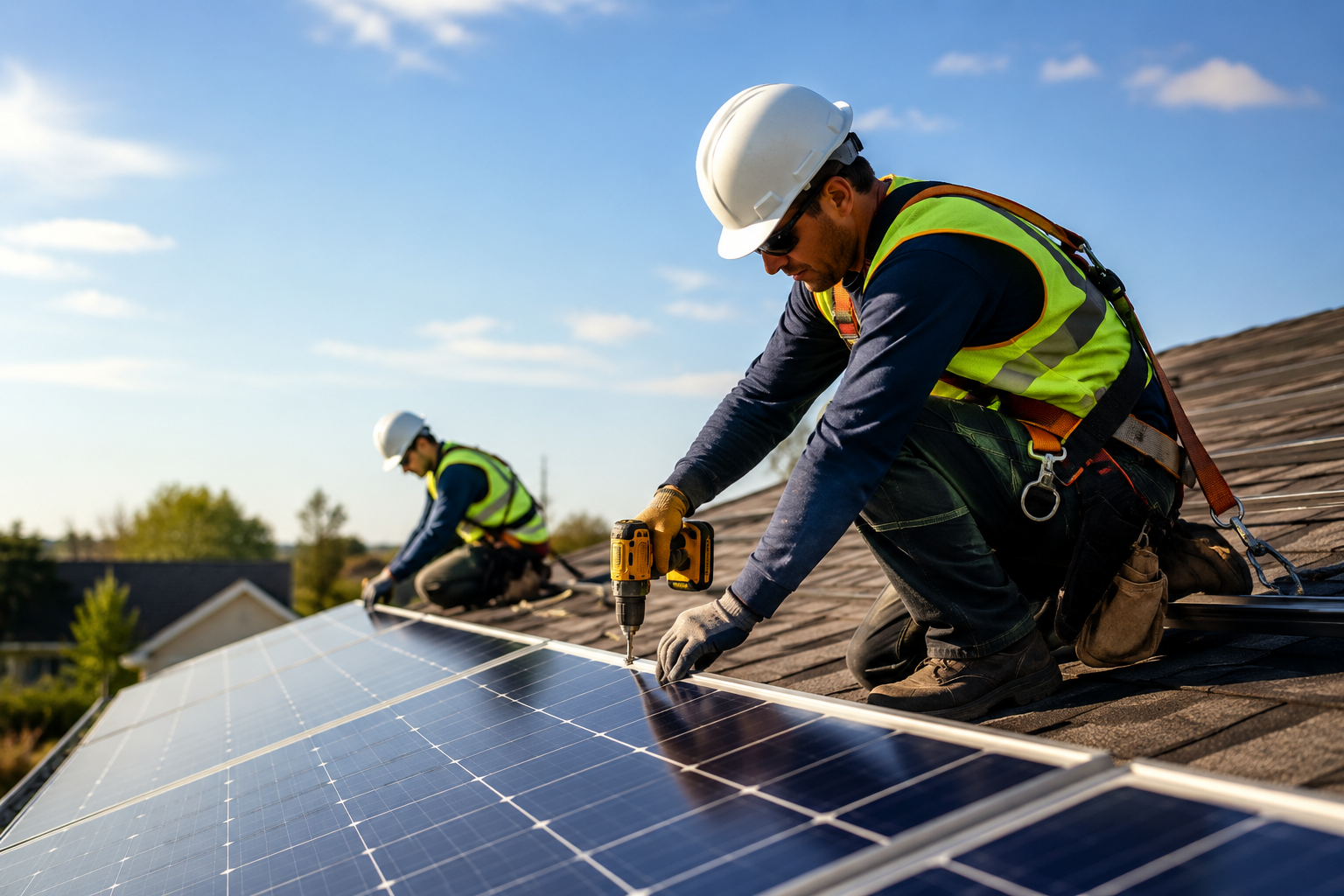
Solar installer workers compensation helps protect employees who get hurt while doing their jobs. Solar workers often install, repair, and maintain solar panels. Their work can involve roofs, ladders, electrical systems, and heavy equipment.
These jobs can lead to falls, electric shocks, burns, cuts, and muscle injuries. Workers compensation insurance can help pay for medical care and some lost wages after a work-related injury. Workers compensation rules are different in each US state. Solar business owners should understand the rules in the states where they work.
Workers compensation for solar installers helps employees who get hurt or become sick because of their work. It can help cover medical care and part of their lost income.
Solar companies may have different types of workers. These can include solar installers, electricians, roof workers, repair workers, and general laborers. Many of these workers perform physical tasks every day. They may also work at heights or near electrical equipment.
Solar workers can face many risks while doing their jobs. They may work on roofs, ladders, or high platforms. They may also carry heavy solar panels and use power tools.
Workers compensation may help eligible employees receive benefits after a work-related injury. These benefits can include medical care and some wage replacement. The exact benefits depend on the laws in the state where the employee works.
Solar installation work can be risky for several reasons. Workers often install panels on rooftops and other high places. They may also work with electrical wires and equipment. Moving heavy solar panels can also cause back pain, muscle strains, and other injuries.
Many solar businesses with employees need workers compensation insurance. However, the rules are different in each state. Residential solar companies may need coverage for their employees. The same may apply to commercial solar contractors and solar repair businesses.
Solar business owners should check their state laws before hiring workers. They should also understand the rules for subcontractors and independent contractors.
Workers comp for solar contractors can help protect both workers and businesses. Solar work can involve serious risks and unexpected accidents. A workplace injury can create large medical bills and other costs. Workers compensation can help cover eligible expenses based on the policy and state laws.
Solar workers can get hurt from falls, electric shocks, lifting heavy items, or using tools. Workers compensation may help pay for medical treatment after an eligible work injury. It can also provide other benefits allowed under state law. This protection can help employees focus on getting better without facing all the costs alone.
Solar installation workers compensation can help cover certain injuries and illnesses related to work. The exact coverage depends on state law and the insurance policy.
Solar installers work in different locations and conditions. Their jobs can involve construction work, electrical work, and outdoor activities. These workers can face several common workplace risks.
Workers comp for solar contractors may apply to many types of solar businesses. The rules depend on the state and the type of workers a company employs. Residential solar companies install panels on homes and other small buildings.
Commercial solar contractors work on larger projects. These projects may require bigger teams and heavier equipment. Workers may face additional risks while working on large job sites. Proper safety measures and insurance can help businesses manage these risks.
Solar panel installation companies may employ installers, electricians, and general workers. Each worker may have different job duties and risks. Companies should provide accurate information about employee duties when buying insurance.
Solar installation insurance means insurance coverage for businesses that install and maintain solar systems. Workers compensation is one type of coverage a solar business may need. Other insurance policies may also be useful, depending on the company's work.
Workers compensation usually helps cover eligible employee injuries that happen because of work. General liability insurance serves a different purpose. It may help with certain claims involving customers, visitors, or damage to someone else's property.
The cost of workers comp insurance for solar companies is different for every business. Insurance companies may look at payroll, employee job duties, location, number of workers, and past claims. Solar businesses should compare personalized quotes before choosing a policy.
Several factors can affect the price of workers compensation insurance. These may include the company's payroll, number of employees, job duties, location, and past claims. The type of solar work can also affect the insurance cost.
Payroll is often an important part of workers compensation pricing. A business with more employees and higher payroll may pay more for coverage. Keeping accurate payroll records can help insurers calculate the correct premium.
Workers compensation requirements are different in every state. Many employers must carry workers compensation insurance. However, the rules may depend on the number of employees, business type, and other factors. Solar companies should check the current rules in every state where they operate.
Each state has its own workers compensation system. The rules may depend on the number of employees and the type of business. A solar company working in multiple states may need to follow different rules in each location.
Small businesses should not assume they do not need workers compensation. Some states require coverage even for businesses with only a few employees. Business owners should check their state requirements before hiring workers.
Subcontractor rules can be difficult to understand. In some situations, a solar company may face problems if a subcontractor does not have proper insurance. Businesses should review contracts and insurance certificates carefully. The rules can vary by state and the type of work being performed.
A solar business that fails to carry required insurance may face penalties. The exact consequences depend on the state and the situation. Business owners should confirm their insurance requirements before starting work.
Getting workers comp for solar contractors starts with understanding the company's needs. Business owners should know how many people they employ and what work they perform. They should also understand the risks their workers face.
Start by looking at your company's daily operations. Think about whether employees work on roofs, handle electrical systems, or perform construction work. This information can help an insurance provider understand your business.
Tell your insurance provider exactly what each employee does. Correct job information can help the insurer calculate the right premium. Wrong information may cause problems with your insurance later.
Solar companies can take steps to reduce workplace injuries and manage insurance costs. A strong safety program can help create a safer workplace. Fewer accidents may also help reduce future insurance claims.
Solar businesses should create clear safety rules for employees. Workers should know how to safely perform their daily tasks. Regular safety meetings can help keep employees aware of workplace risks.
Employers should provide safety training based on the work employees perform. Training may cover fall safety, electrical safety, and other workplace hazards. Solar businesses should also stay aware of current OSHA rules that apply to their work.
Solar workers can file workers compensation claims after certain work-related injuries. Solar companies should have a clear process for handling workplace accidents. Solar workers may file claims after falls, electric shocks, cuts, burns, or lifting injuries. The type of claim depends on what happened and how the injury occurred.
Employees should report their injury to their employer as soon as possible. They should also get proper medical care and follow company procedures. Keeping records of medical visits and other information can be helpful. Employers should notify their insurance company after a workplace injury.
Choosing workers compensation insurance requires careful research. Solar businesses should look beyond the price when comparing insurance policies.
Get quotes from several insurance providers when possible. Compare the price, coverage, customer service, and claims process. Choose a policy that fits your company's actual needs. Business owners should research the insurance company's financial strength and reputation. A reliable insurance company can provide greater confidence when handling claims.
Workers compensation laws are different across the United States. Solar businesses should check the rules for every state where their employees work. California has specific workers compensation rules for employers. Solar businesses should check the latest state requirements before hiring employees.
Solar installation work can involve many risks. Workers may face falls, electrical hazards, heavy equipment, and difficult weather conditions. Workers compensation for solar installers can help protect eligible employees after work-related injuries. It can also help businesses follow state insurance requirements.
Solar business owners should understand their state laws and insurance needs. They should also create strong safety programs for their employees. Before buying a policy, compare different options and review the coverage carefully. An experienced insurance professional can also help you find suitable coverage.
Yes, many solar installers need workers compensation insurance for their employees. The rules depend on the state, number of employees, and type of solar business.
Workers compensation can help pay medical bills and part of lost wages when employees get hurt or become sick because of their work.
The cost depends on payroll, number of employees, job duties, business location, past claims, and work risks. Each solar company may pay a different amount.
Yes, workers compensation can cover eligible injuries from solar installation work. These may include falls, electric shocks, burns, cuts, and injuries from lifting heavy panels.
Many solar contractors with employees need workers compensation insurance. The rules depend on state law, the number of workers, and the type of business.
Independent contractors usually do not receive workers compensation like employees. However, state laws may treat some contractors as employees based on their work and relationship.
No, workers compensation rules are different in each state. Some states require coverage based on employee numbers, while others have different rules and exceptions.
Common injuries include falls from roofs, electric shocks, burns, cuts, back pain, muscle strains, and injuries caused by heavy solar panels or equipment.
Solar companies can lower costs by training workers, improving job site safety, preventing accidents, keeping accurate payroll records, and reporting injuries quickly.
Solar companies can get workers compensation insurance by checking their needs, sharing employee details, comparing insurance quotes, and choosing a suitable insurance provider.
Ready to Work Together? Build a project with us!.

It is a long established fact that wo will be distracted by the readable content as when looking at its layout.
© 2026 Coastal Work Comp Brokers All rights reserved